A Beginner’s Guide to Understanding and Investing in the Future of Finance

Defining Blockchain and Cryptocurrency
Once upon a time, a group of brilliant minds set out on a quest to create a new type of currency, one that would be free from the control of governments and centralized institutions. They worked very hard, studying secret codes and special ways for many computers to agree on things. Finally succeeded in creating a revolutionary technology known as the blockchain.
This blockchain technology, a decentralized and distributed digital ledger, recorded transactions across multiple computers in a way that once data was recorded, it could not be altered or deleted. It was the perfect foundation for a new type of currency, one that would be secure, transparent, and tamper-proof. And so, in 2009, the first decentralized digital currency, known as Bitcoin, was born.
The success of Bitcoin sparked a wave of innovation in the blockchain and cryptocurrency space. Soon, other projects and cryptocurrencies began to pop up, each with its own unique features and uses. These new cryptocurrencies all relied on blockchain technology, which served as the backbone of the digital economy.
The relationship between blockchain and cryptocurrency is like a modern day vehicle. Imagine blockchain technology as the engine and cryptocurrency as the fuel. The engine, or blockchain, provides the infrastructure for decentralized digital currencies to operate, but without the fuel, or cryptocurrency, the engine wouldn’t have any purpose or value. Together, they work seamlessly to power a decentralized system of transactions and value exchange that has the potential to change the way we conduct business and exchange value.
This book is a journey into the world of blockchain and cryptocurrency. We will explore the underlying principles of these technologies and their various applications in different industries. We will also look at the current state of blockchain and cryptocurrency development, as well as the challenges and opportunities that lie ahead. Join us on this exciting adventure as we discover the true potential of blockchain and cryptocurrency to change the world.
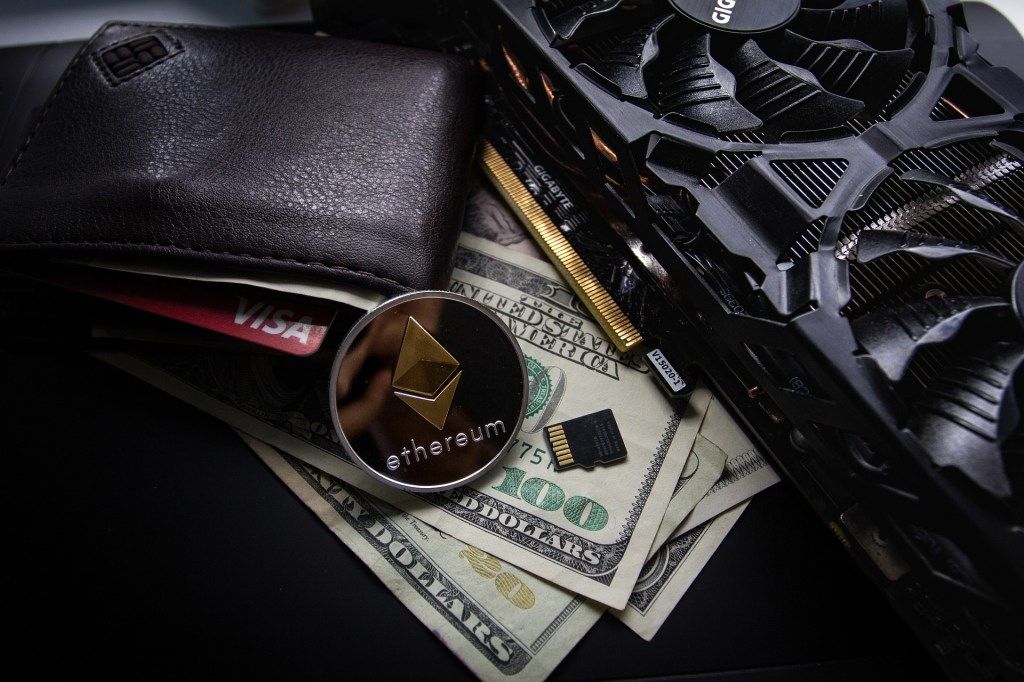
As we delve deeper into the world of blockchain and cryptocurrency, we will come across a variety of interesting characters and stories. We will learn about the early pioneers of blockchain technology, who worked tirelessly to bring their vision of a decentralized digital currency to life. We will also discover the many different projects and cryptocurrencies that have emerged in the years since the launch of Bitcoin.
We will also encounter the naysayers, those who dismissed blockchain and cryptocurrency as nothing more than a passing fad. But as we will see, the technology and its impact have only continued to grow, with new and exciting developments happening every day.
As we journey through the different industries, we will see how blockchain and cryptocurrency are being used to revolutionize everything from finance to supply chain management, from healthcare to gaming. We will see how these technologies are being used to create new business models and opportunities, and how they are changing the way we think about value and trust.
But the journey is not without its challenges. We will also explore the legal and regulatory challenges facing blockchain and cryptocurrency, as well as the potential risks and downsides of these technologies.
Despite these challenges, the future of blockchain and cryptocurrency is bright. With the right approach and a willingness to adapt and evolve, we can harness the power of these technologies to create a more secure, transparent, and equitable world.
So come along with us on this journey as we explore the exciting world of blockchain and cryptocurrency and discover the true potential of these revolutionary technologies.

The Birth of Bitcoin: The First Cryptocurrency
The birth of Bitcoin was a turning point in the history of money and technology. It was the culmination of decades of research and experimentation in the field of digital cash and electronic payment systems. But it was more than just a new kind of money, it was a revolutionary technology that would change the way we think about trust, security, and privacy.
The idea of digital cash had been around for quite some time, but it wasn’t until the invention of the internet that it became a real possibility. The internet had made it possible to send information and communicate with people from all over the world, but it had not yet solved the problem of how to transfer value online without the need for intermediaries. Banks and governments had been the traditional intermediaries of trust, but they were slow, expensive, and often unreliable.
Bitcoin was different from any other electronic payment system that had come before it. It was based on a peer-to-peer network, which meant that transactions could be conducted directly between individuals without the need for intermediaries. It was also completely decentralized, meaning that there was no central authority controlling the currency. This was made possible by the use of blockchain technology, which ensures that once data is recorded on the blockchain, it cannot be altered or deleted.
The Origins of Bitcoin
The first attempts at creating a digital cash system were met with skepticism and failure. But a small group of researchers and developers continued to explore the idea of creating a decentralized digital currency. They believed that the internet needed a new kind of money that could be transferred directly from person to person, without the need for intermediaries.
In 2008, an anonymous person or group of people going by the name Satoshi Nakamoto published a white paper that proposed a new kind of money, one that could be transferred digitally without the need for banks or governments. The white paper described a decentralized digital currency that was based on blockchain technology and cryptography. It was called Bitcoin.
The launch of Bitcoin was met with skepticism and excitement. The Genesis block, the first block in the Bitcoin blockchain, was mined on January 3, 2009, and the first transactions were made between Satoshi and a few early adopters. At the time, the value of a single bitcoin was negligible, and the network was small and experimental. But as more people learned about Bitcoin and the technology behind it, they began to see the potential of this new kind of money.
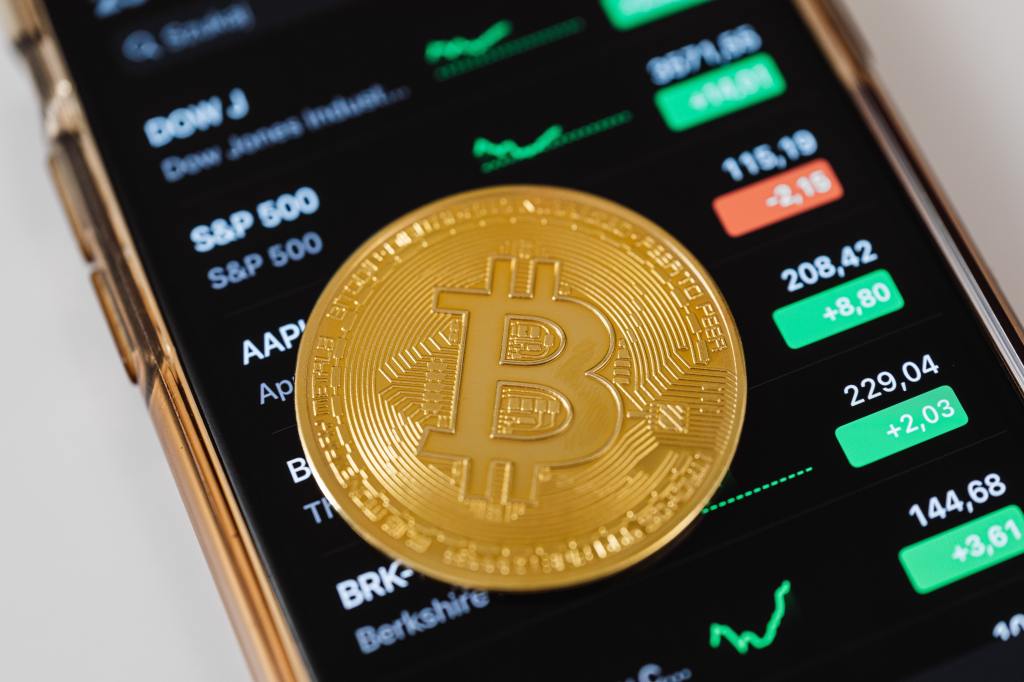
The Technology Behind Bitcoin
Bitcoin was the first decentralized digital currency to be created and it was based on blockchain technology, a revolutionary new way to record and manage data. Blockchain technology is a decentralized, digital ledger that records transactions across multiple computers, ensuring data integrity and transparency. It eliminated the need for a central authority to control and oversee transactions, making it possible for people to exchange value directly with each other.
The cryptography used in Bitcoin ensured the security of the transactions, making it impossible for anyone to tamper with the records or double-spend the currency. And to prevent the network from being controlled by a single entity, a consensus algorithm called Proof-of-Work was introduced. This algorithm required users, called miners, to solve complex mathematical problems to validate transactions and add them to the blockchain. The miners were rewarded with newly minted bitcoins for their work, which helped to secure the network and distribute new coins.
The Proof-of-Work algorithm is a key component of Bitcoin’s security. It ensures that the blockchain is tamper-proof and that transactions cannot be reversed. It also ensures that the network is decentralized and that no single entity can control it. This is important because it ensures that the network is resistant to attacks and that the currency is resistant to inflation.
Another important aspect of Bitcoin’s technology is the use of public-key cryptography. This ensures that transactions are secure and that bitcoins cannot be spent by anyone other than the person who owns the private key. The use of public-key cryptography also ensures that transactions are anonymous, as the identity of the person who owns the private key is not revealed.

The use of blockchain technology and cryptography in Bitcoin has made it possible to create a decentralized digital currency that is secure, transparent, and resistant to tampering. It has also made it possible to create a digital currency that is not controlled by any central authority. This has far-reaching implications for trust, security, and privacy, as it gives people the power to exchange value directly with each other, without the need for intermediaries.
Bitcoin has also had a significant impact on the financial industry. Traditional financial institutions and governments have had to adapt to the rise of Bitcoin and other cryptocurrencies. This has led to the development of new technologies and new regulations to ensure that digital currencies are safe and secure.
Bitcoin has also led to the creation of thousands of other cryptocurrencies, each with its own unique features and advantages. This has created a new kind of economy that is based on decentralized trust, and it has given people the ability to choose the digital currency that best suits their needs.
In summary, the birth of Bitcoin was a turning point in the history of money and technology. It was the first decentralized digital currency that was based on blockchain technology, a revolutionary new way to record and manage data. It solved the problem of trust in online transactions and it paved the way for the creation of thousands of other cryptocurrencies. Today, Bitcoin and the technology behind it continue to evolve and change the way we think about money, trust, and security. It’s a new era of digital economy and it has opened up a whole new world of possibilities.

Beyond Bitcoin: Mastering the Crypto-World
Ah, Bitcoin. The father of the crypto world, the one that started it all. But let’s face it, while Bitcoin may have been the first, it certainly isn’t the only game in town. In fact, since Bitcoin’s inception, the crypto-world has exploded with a plethora of digital currencies, each with their own unique use cases and features. So, if you’re ready to branch out and explore the exciting world beyond Bitcoin, strap in, because we’re about to dive into the realm of other popular cryptocurrencies.
Overview of other popular cryptocurrencies and their use cases
When it comes to popular alternatives to Bitcoin, there are a few that immediately come to mind. Ethereum, for example, is a decentralized platform that enables the creation of smart contracts and decentralized applications (dApps). This means that developers can use Ethereum to build all sorts of decentralized apps, from online marketplaces to prediction markets.
Another popular alternative is Litecoin, which is often referred to as the “silver to Bitcoin’s gold.” Litecoin is similar to Bitcoin in many ways, but it has some key differences that make it faster and cheaper to use. For example, Litecoin transactions are confirmed four times faster than Bitcoin transactions, and the fees are generally lower.
Ripple is another popular cryptocurrency that’s worth mentioning. Unlike Bitcoin and Ethereum, Ripple is not designed to be a decentralized currency. Instead, it’s a digital payment protocol that’s designed to enable fast, cheap, and secure cross-border payments. This makes it popular with banks and other financial institutions as it’s a way for them to move money more efficiently.
Discussion of key features and properties of Ethereum, Litecoin, Ripple, etc.
Let’s dive a little deeper into some of these popular cryptocurrencies and explore their key features and properties.
Ethereum, for example, is known for its ability to facilitate smart contracts. These are self-executing contracts with the terms of the agreement written into code. This means that once certain conditions are met, the contract automatically executes. This feature has a lot of potential applications, from online marketplaces to prediction markets.

Another key feature of Ethereum is its ability to support decentralized applications (dApps). These are apps that run on a decentralized network, rather than a central server. This means that they are more resistant to censorship and control by a single entity.
Litecoin, on the other hand, is known for its faster transaction times and lower fees. This is because Litecoin uses a different algorithm to confirm transactions than Bitcoin. This algorithm, called Scrypt, is designed to be more memory-intensive, which makes it more resistant to ASICs (Application-Specific Integrated Circuits). This means that anyone can mine Litecoin using a regular computer, which makes the network more decentralized.
Ripple, meanwhile, is known for its ability to facilitate fast and cheap cross-border payments. This is because Ripple uses a unique consensus algorithm that allows transactions to be confirmed in seconds, rather than minutes or hours. This makes it popular with banks and other financial institutions as it’s a way for them to move money more efficiently.
It’s worth noting that while these cryptocurrencies are popular and have unique features, their prices and values can be highly volatile. It’s important to do your own research and invest wisely. It’s also important to remember that investing in cryptocurrencies is a high-risk endeavor, and you should only invest what you can afford to lose.
In addition, it’s also worth mentioning that the crypto-world is constantly evolving and new cryptocurrencies are being created all the time. So, if you’re interested in exploring beyond Bitcoin, it’s important to keep an eye on the latest developments and trends in the crypto-world.
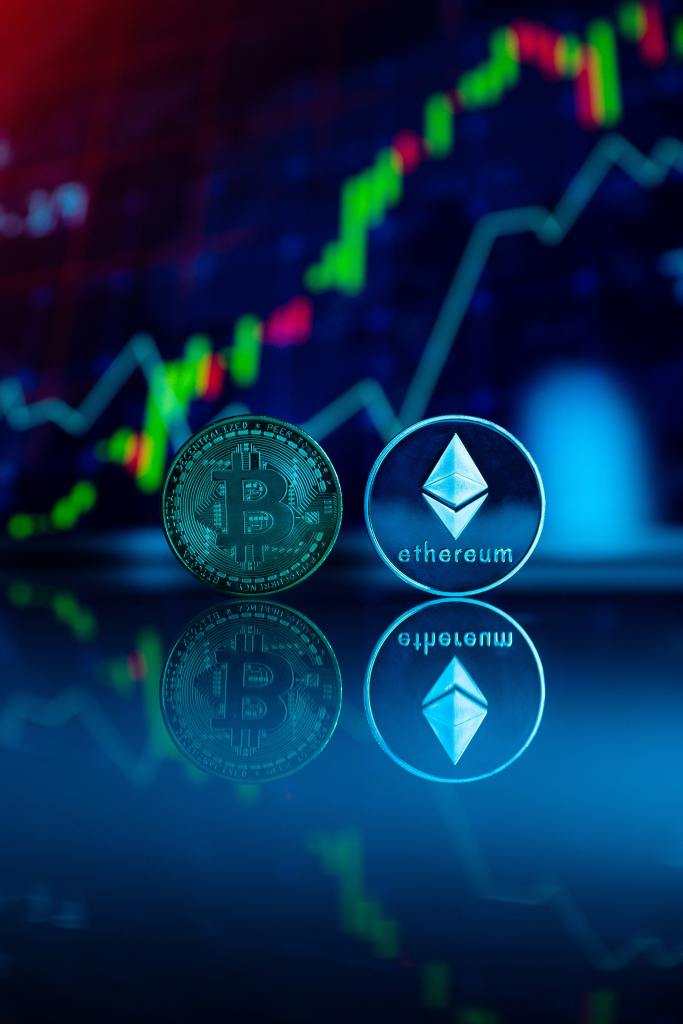
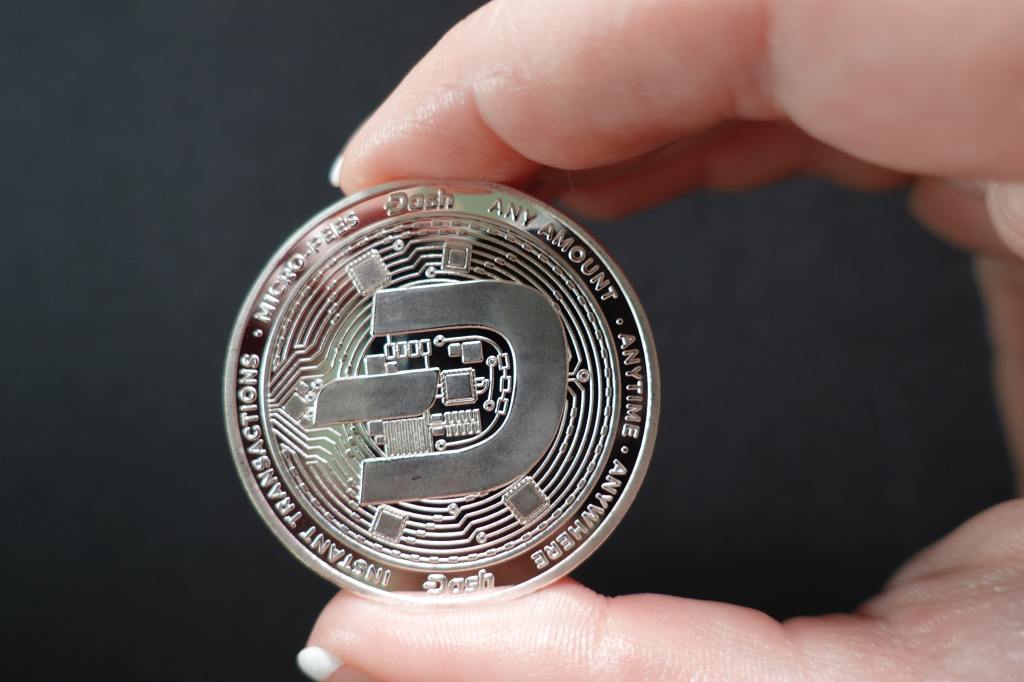
Moreover, the crypto-world is not just limited to these popular cryptocurrencies. There are many other digital currencies that have their own unique use cases and features. For example, Monero is a privacy-focused cryptocurrency that uses advanced cryptography to ensure that transactions are completely untraceable. Dash, on the other hand, is a digital currency that focuses on fast and cheap transactions, making it ideal for everyday use.
Another interesting aspect of the crypto-world is the emergence of decentralized finance (DeFi) platforms. These platforms use blockchain technology to create decentralized financial products and services, such as lending and borrowing, that are not controlled by any central authority. This is an exciting development that has the potential to disrupt traditional financial systems and create new opportunities for individuals and businesses.
The crypto-world is also becoming increasingly accessible to mainstream audiences. More and more businesses are starting to accept cryptocurrencies as a form of payment, and there are now many platforms that make it easy for individuals to buy, sell, and store digital currencies. This is making it easier for people to access the crypto-world and benefit from its unique features and use cases.
While Bitcoin may have been the first, it certainly isn’t the only game in town. The crypto-world is filled with a plethora of digital currencies, each with their own unique use cases and features. Ethereum, for example, is known for its ability to facilitate smart contracts, Litecoin for its faster transaction times and lower fees, and Ripple for its ability to facilitate fast and cheap cross-border payments. And that’s just the tip of the iceberg. Who knows what the future holds for the crypto-world, but one thing is certain, it is an exciting and dynamic space with endless possibilities.

Comparison of the different cryptocurrencies and their potential in the market.
Each cryptocurrency has its own unique features, use cases, and potential in the market. In this topic, we will take a closer look at some of the most popular cryptocurrencies and compare their potential in the market.
Bitcoin, the first and most well-known cryptocurrency, is often referred to as “digital gold.” It is decentralized and based on blockchain technology, making it secure and transparent. Bitcoin’s value has been highly volatile in the past, but it has also shown to be a store of value and hedge against inflation. Bitcoin’s potential in the market is driven by its potential as a store of value, and its ability to function as a hedge against inflation.
Ethereum, on the other hand, is a decentralized platform that enables the creation of smart contracts and decentralized applications (dApps). It’s potential in the market is driven by its ability to facilitate the creation of decentralized applications which opens up new possibilities for various industries.
Litecoin, is often referred to as the “silver to Bitcoin’s gold.” It is similar to Bitcoin in many ways, but it has some key differences that make it faster and cheaper to use. Litecoin’s potential in the market is driven by its faster transaction times and lower fees which makes it more suitable for everyday use.
Ripple is a digital payment protocol that’s designed to enable fast, cheap, and secure cross-border payments. Its potential in the market is driven by its ability to facilitate fast and cheap cross-border payments which makes it popular with banks and other financial institutions as it’s a way for them to move money more efficiently.
Monero is a privacy-focused cryptocurrency that uses advanced cryptography to ensure that transactions are completely untraceable. Its potential in the market is driven by its focus on privacy which is becoming increasingly important for both individuals and businesses.
Dash, on the other hand, is a digital currency that focuses on fast and cheap transactions, making it ideal for everyday use. Its potential in the market is driven by its ability to facilitate fast and cheap transactions which makes it a suitable option for everyday use.
Final Thoughts
The world of cryptocurrencies is vast and diverse, and each cryptocurrency has its own unique features, use cases, and potential in the market. Bitcoin is often referred to as “digital gold” and has the potential to function as a store of value and hedge against inflation. Ethereum’s potential in the market is driven by its ability to facilitate the creation of decentralized applications. Litecoin’s potential in the market is driven by its faster transaction times and lower fees. Ripple’s potential in the market is driven by its ability to facilitate fast and cheap cross-border payments. Monero’s potential in the market is driven by its focus on privacy and Dash’s potential in the market is driven by its ability to facilitate fast and cheap transactions. It’s important to keep an eye on the latest developments and trends in the crypto-world to stay informed about the potential of different cryptocurrencies.








 Marvin Valdez